

Many of us in the medical affairs function have had to speak at CMEs time and again, and will continue to do so in the future. The challenge is that the audience is more knowledgeable than the speaker. Another challenge is that the medical affairs professional is a representative of the organization (s)he works with, and would also like to ensure that the organization’s image is held high. While HCPs also see CMEs as a way to network and interact with their peers, an interesting talk does attract attention. Difficult as it might seem, it is possible to get there and not really very difficult.
First and foremost, what attracts attention is the title of the talk. Obviously, the title has to represent what the talk will be about. Hence, the first step is to come up with an interesting topic for an audience that knows more about the subject than the speaker does. There are 2 ways to go about it. One, if you have been regularly interacting with HCPs as part of your work, you would have a pulse on what could be interesting topics for them. Second, you can make a list of topics you think would be interesting to them, based on your own experience and knowledge of the therapy area. This list can be vetted with some of your HCPs/KOLs with whom you share a good personal rapport. I have seen that are usually more than glad to help with anything associated with knowledge sharing. Once the topic has been selected, use all your marketing skills to come up with a title that will attract attention.
Now coming to the talk itself, there are some things that always work. These include keeping the talk interactive, using a lot of graphics, not reading from the slides, using some humor, and if possible using case studies. There is another principle I have always followed- some might feel it is a double-edged sword but it has always worked for me. At the very outset, I admit 2 things: 1) that my knowledge is academic and comes from reading while they are experts in their field; in fact, I am sure the talk will help me learn from them and 2) the purpose of my talk is to share something that I found new and interesting, which I believe has clinical significance and it would be interesting to know their perspective. I request them to feel free to add something when I am speaking or even point out if they disagree with something or think something is incorrect. This really breaks the ice with the audience and in a group of 20-25 indeed generates some interesting discussion that helps in planning the medico-marketing strategies. In fact, even if you do happen to make an error, the audience would very gently point it out and ensure you are not humiliated. This has also helped me gain easy entrance when I next meet these HCPs at their chambers and create long-lasting relationships. There are other ways to keep the talk interactive. One is using technology. Power-point allows polling and electronic voting pads compatible with Power Point are easily available. The slides can intermittently have some polling questions and the audience can be asked to vote. Of course, these questions should be related to clinical practice around the therapy area. The poll results often generate a discussion at times when there is no clear single answer. Other than polling questions there can be some slides with just questions to encourage a discussion.
If using case studies in a presentation, it is always good to have read some published case studies on the subject before creating the slides. If using a published case study, mention the source.
An important tip is to have a list of questions ready in your mind, regardless of whether it is a case- or non-case-based CME. These help to keep engaging with the audience even as you present, so that the session is not monotonous and one-way traffic. Moreover, asking questions regularly is a great opportunity to gather real-world insights, which would otherwise require many days of fieldwork. If you cannot trust your memory to recall the questions at the right time, just jot them down along with the slide numbers and keep them with you on your presentation dais and use them as you have planned.
There are other good practices that should be followed irrespective of whom you are presenting to.
Using more graphics than text
A lot of free space on the slides- let the slides breathe
- Few slides- a CME for 30 min should have no more than 12-15 slides and even for a 1 hr talk, it is good not to go beyond 25 slides.
- Legible font- if the audience can’t read what is on the slides, they are likely to lose interest
- DO NOT read from the slides. Why would the audience like to hear from you if you are just going to read what is written on the slides?
- Spend good time thinking of good titles for each slide so that there is a flow to the presentation. Also, spend time to ensure consistent formatting of the presentation for a professional look. Do not use flashy backgrounds/ designs/ templates. Simple is the best.
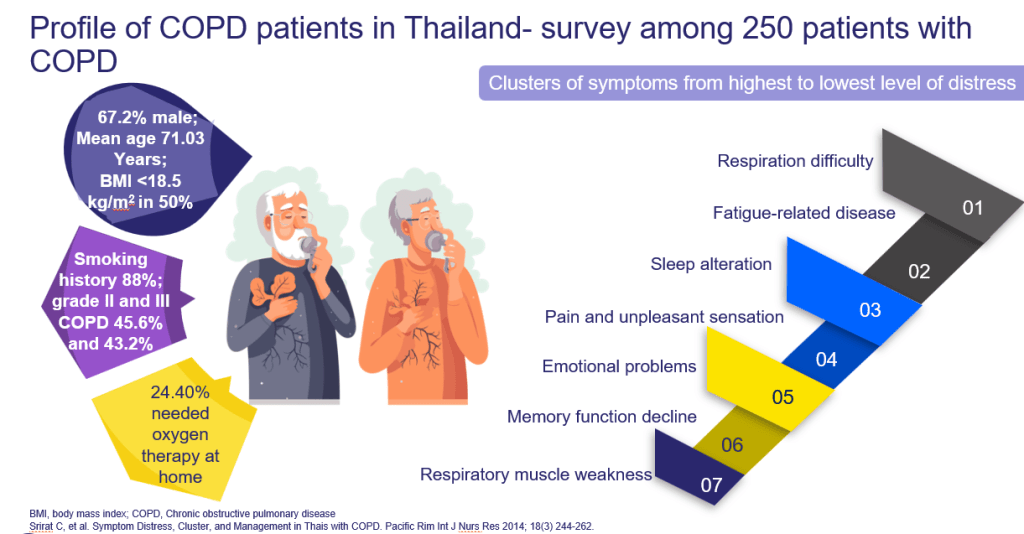
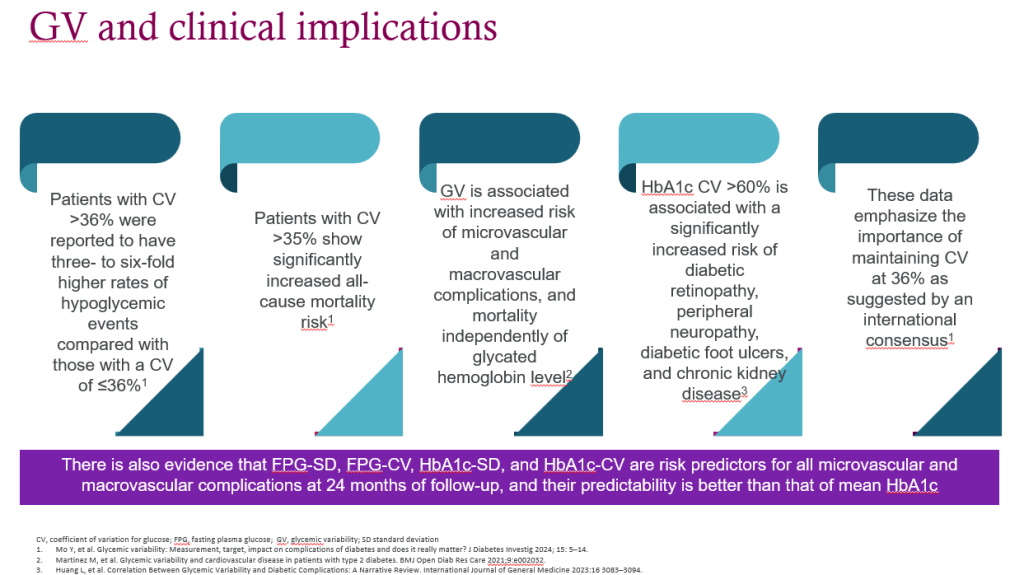
- Get more creative and don’t let the slides look like a grocery list or a to-do list. Here are 3 slides showing how a boring list of bullet points can be presented more creatively.

And here is another article that will help you understand the difference between creating a slide deck for a CME vs creating one for an advisory board
https://medicomindspro.com/creating-a-slide-deck-for-a-cme-vs-creating-one-for-an-advisory-board-2/
Good luck for your next CME!!
 MedicoMindsPro